
What Do Security Guards Actually Do?
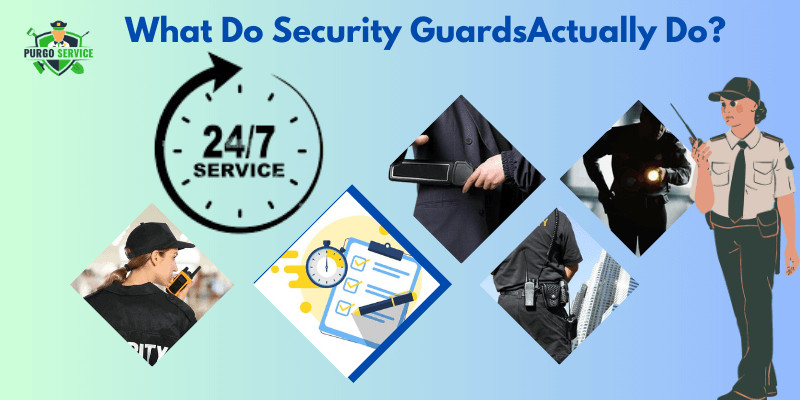
What Do Security Guards Actually Do? A Look Behind the Uniform
When most people think of a security guard, the image that comes to mind might be someone standing at the entrance of a mall or slowly patrolling a quiet hallway. Some might think of a night guard sitting in front of surveillance monitors, even while attending public events or maybe even a character from a movie—calm, tough, and ready to chase down a thief. Their presence is a balancing act between reassuring those they protect and deterring those with harmful intentions. But what do security guards really do, and how important are they in our daily lives?
The Main Duties of Security Guards
Security guards do a lot more than just stand around or look intimidating. Let’s break their job into parts so you can really understand the day-to-day responsibilities of security guards.
Patrolling and Surveillance
A responsible security guard on night shifts (on foot or in a vehicle, depending on the situation) is a powerful way to deter crime. The simple act of regularly walking around a property, checking doors, windows and corners, makes it harder for potential criminals to attack. Criminals don’t like unexpected situations, and a roving security guard creates just that.
When not patrolling, guards use their eyes and technology to monitor activity. Closed-circuit television (CCTV) cameras, control panels, radios, alarms – all of these tools help them extend their surveillance over areas too large for a guard to cover personally. They look for suspicious behaviour, unwanted packages or maintenance issues that could become security risks. Security guards in the dark of night use powerful flashlights to keep an eye on people from far away.
Prevention is the first goal
You’ve probably heard the saying, “Prevention is better than cure.” This applies perfectly to security work.
Much of what security guards do is prevent problems before they happen.
They monitor entrances and look for suspicious activity.
They may check bags, scan IDs, or ask visitors to sign in
Their presence alone can deter criminals.
Keep an eye out for a suspicious person and inform all colleagues present at the scene that the specific suspect is the one to keep everyone focused.
Access Control
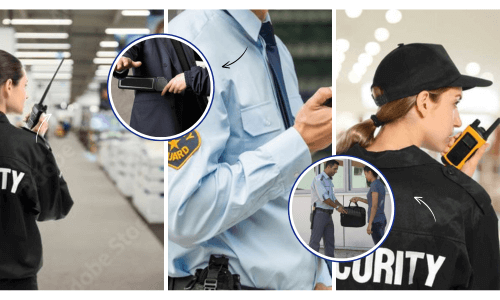
Security guards often act as gatekeepers. They control who gets to come in and who must stay out. Whether it’s checking visitor badges, scanning IDs, logging guests, they must ensure that only authorized people access sensitive areas.
Think about concerts, corporate offices, banks, or high-end apartments. At all these places, security guards ensure only people with the right reason or credentials are allowed in. Sometimes, this means handling metal detectors, inspecting bags, or simply giving directions to visitors.
At some high-security locations (like data centers or government buildings), this can be a very strict process. Guards may even be part of biometric scanning or use metal detectors to screen people.
Another major part of the job is controlling who goes where.
Reporting and Documentation
Security guards document everything. When something is left behind, or someone loses something and finds it, there are suspicious people or vehicles, or an emergency occurs, guards are expected to write detailed reports of the incident. These records are crucial for investigations, insurance claims, or simply identifying patterns over time.
A big part of a guard’s job is to observe – not just take action when something happens, but to notice and report small signs before something goes wrong.
Every incident is recorded accurately and carefully.
Guards write detailed incident reports: what happened, when, who or what was involved.
These reports can be used in cases where the police are investigating a crime or businesses are improving their security.
Enforcing rules
Rules keep places safe. Guards make sure people follow these rules.
Security guards have company rules, in some cases the authorities have their own rules in effect
Enforce company policies, building usage guidelines, and emergency procedures.
Do not take photos or use cell phones in restricted areas.
Prevent people from entering restricted areas.
If someone is acting aggressively, acting inappropriately at the party, or trying to sneak into off-limits areas, guards intervene to restore order.
Dealing with Emergencies
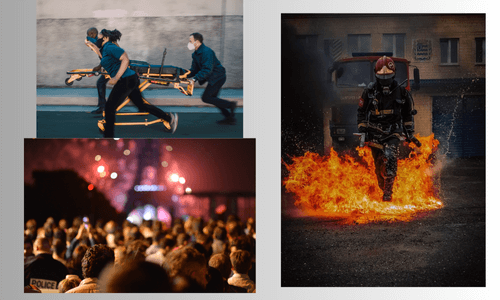
When disaster strikes—whether it’s a fire, medical emergency, or criminal act—security guards are a vital part of the response:
First Response:
They are often the first to arrive on the scene, assessing the risk and keeping others safe while experts arrive.
Responding to medical emergencies (calling the helpline, performing CPR, or using a first aid kit) or calling the necessary helpline.
Crowd Management:
In a crisis, keeping the crowd calm and preventing chaos is a huge responsibility.
Communications:
Guards quickly update emergency services and direct them to the right location.
After the situation has calmed down, guards help gather information for follow-up reports, investigations, and even police investigations.
Different aspects of security guard work

Security guards work in a variety of environments, each with unique challenges:
And security guards at Purgo Service are always ready to meet all these challenges.
Residential buildings:
Guards monitor lobbies, monitor visitor logs, patrol the grounds, and respond to tenant concerns about security.
Personal bodyguards:
Protect individuals (such as celebrities, executives, businessmen, and more).
Industrial sites/factories:
Guards prevent the theft of valuable materials, enforce security regulations, and act as the first line of defines against unauthorized entry.
Commercial offices:
Here, they may screen employees and visitors for access, monitor building systems at the front desk, or handle emergencies that could affect hundreds of employees.
Hospitals and institutions:
They protect staff and patients, manage visitors, and respond to emergencies.
Shopping malls and retailers:
They prevent shoplifting, respond to disturbances, and sometimes deal with lost children or medical emergencies.
Events and gatherings:
At concerts or sporting events, guards keep crowds in order, manage entrances, and deal with unexpected incidents.
Armed guards:
Carry firearms (with proper training and licenses).
Each workplace requires specialized skills from crisis management in public settings to discretion and alertness in sensitive environments.
Conclusion
So, what do security guards actually do?
It’s more than most people think.
They monitor, report, respond, assist, patrol, protect, and help.
Security guards don’t just protect property. They protect peace of mind.
Security guards are unsung heroes, characterized by alertness, empathy, and quick thinking. Their work varies – others unpredictable – but their impact is constant. By stopping trouble before it starts and taking action when things go wrong, they keep the gears of everyday life turning smoothly.
The next time you pass a security guard, remember: their job is much more than standing still or checking IDs. They are vital protectors, problem solvers, and peacekeepers who often work tirelessly behind the scenes to keep us all safe. Purgo Service is far ahead of the curve in providing quality security guard services. Contact now Purgo Service now for security services.